
June 24, 2025
Orthodontic problems can affect you in many ways. A misaligned bite isn’t just about appearance; it can lead to wear on your teeth, cavities, gum disease, and even TMJ and sleep apnea later in life. The presence of an orthodontic misalignment is not a mere esthetic concern, but an abnormality that has many side effects over time.
Whether it be abnormal wear, the development of dental cavities or gum disease, or the development of TMJ disorder or sleep apnea later in life, treatment for a dental malocclusion should be considered a medical necessity.
When the topic of orthodontic treatment is discussed, the two most common questions that we hear are:
“How long will I need to wear braces?” & “Will my child have to have any teeth removed?”
Let’s jump in and answer those questions.
Fastbraces technology is a highly advanced bracket system that directly addresses the root of the teeth at the beginning of the procedure. The innovative nature of this system is that both the root and crown can be repositioned in one go, cutting down significantly on the duration of the procedure.
Ordinary braces usually move the crown of the teeth during the first year and the root during the second, thus increasing the duration of the procedure. Fastbraces, which have an innovative triangle-shaped bracket and only use one wire, are designed specifically to work with the root of the teeth from the start, thus reducing the duration of the procedure considerably.
You have probably heard of people wearing braces for 2-3 years. With FASTBRACES, your treatment time is cut in half, and in some cases, you could finish in as little as six months. With a treatment that would have taken 3 years, or even been impossible with traditional orthodontics, FASTBRACES can often accomplish these treatments in half the time. For more straightforward cases, treatment can be completed as quickly as 6 months or less.
When considering the removal of teeth, it used to be more commonplace to remove teeth when the teeth were crowded. In the past, you might have been told that crooked teeth meant that extractions were unavoidable. If your jaw was too small, teeth were often removed just to make space. With FASTBRACES, that is much less common.
In most cases, your teeth can be aligned without extractions. More recently, intervention during growth, commonly called phase 1 orthodontics, has reduced the amount of teeth that need to be removed, but once growth has ended, conventional orthodontics must still resort to removing teeth.
With FASTBRACES, the new design and approach to moving teeth actually moves the teeth in a way that, as the teeth move, the bone grows to follow the path of the tooth. This enables the dentist, in most cases, to fit all the teeth in the arch without removing teeth. With FASTBRACES, removing teeth is much rarer, and you don’t have to wear braces twice.
With FASTBRACES, your brackets are shaped to move your teeth more efficiently. This design helps your teeth align faster with less discomfort. The triangular bracket design means contact with the wire, which improves alignment efficiency.
In addition, FASTBRACES uses a square finishing wire from the start, enabling movement in all three planes from the start, allowing them to land in their desired position faster with less tweaking in the finishing phase. The efficient movement actually causes less pain and root resorption than traditional braces.
FASTBRACES is suitable for teens and adults who have all of their permanent teeth. During your consultation, your dentist will evaluate:
There are many reasons why Fastbraces are considered superior to other forms of orthodontics, which is why they have become more popular with each passing day. Some of the main benefits are listed below.
Teens and Adults who have all of their permanent teeth in can be evaluated for FASTBRACES. To find out if you’re a good candidate, you’ll need a full evaluation dentist will check for cavities, gum disease, or other issues that need to be addressed first. The doctor will also look for impacted teeth or implants in the X-rays that could cause concerns when moving teeth. Some types of dental crowns and bridges can also complicate braces, making Aligner orthodontics like Invisalign a better treatment option for these patients. Finally, the doctor will evaluate the relationships between the upper and lower jaw to see if the discrepancy is too great to correct with tooth movement alone.
When discussing your treatment options, the doctor will evaluate your type of malocclusion and discuss the expected outcome and whether tooth extraction will be needed. With FASTBRACES, usually the only time a tooth would need to be removed is if the tooth is completely blocked out of the arch, and then there is still hope, but always let my patients know that in these cases, extraction may be necessary. However, if you look at some of our ongoing cases shown below, we have been able to save some teeth that were completely blocked out.
When teeth are removed to fit into a narrow arch, it reduces the space for your tongue and soft palate. Over time, this can reduce your airway and increase your risk of sleep apnea. Sleep apnea is a condition estimated to affect 30 million Americans, with side effects like heart disease and Alzheimer’s disease of its own. Sleep apnea is a serious health problem and should be considered and prevented if possible.
For these reasons, it is valuable to get a complete assessment and be able to have all of your questions answered before moving forward with treatment. Not all dentists are trained in the use of FASTBRACES technology and may not have the technology in their office to offer.
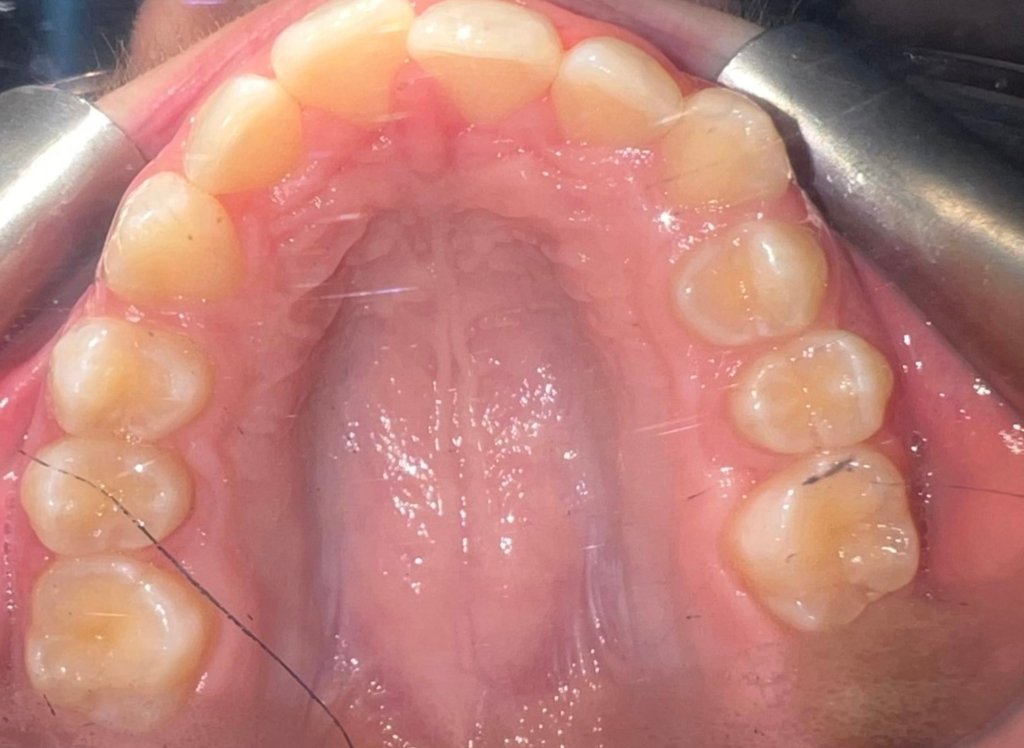
Some people may prematurely draw the conclusion that FASTBRACES are only for easy cases. As you can see by the treatments underway, at the end of this article, this is not the case at all. FASTBRACES can make amazing improvements in a short amount of time compared to conventional orthodontic treatments.
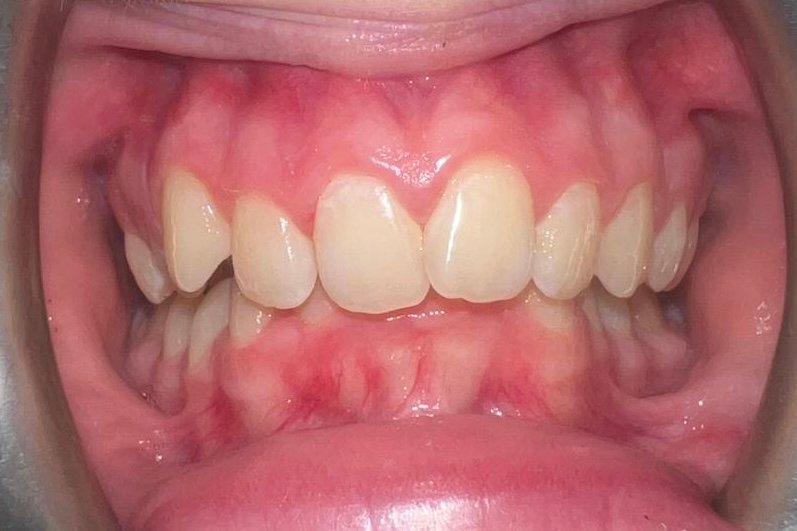
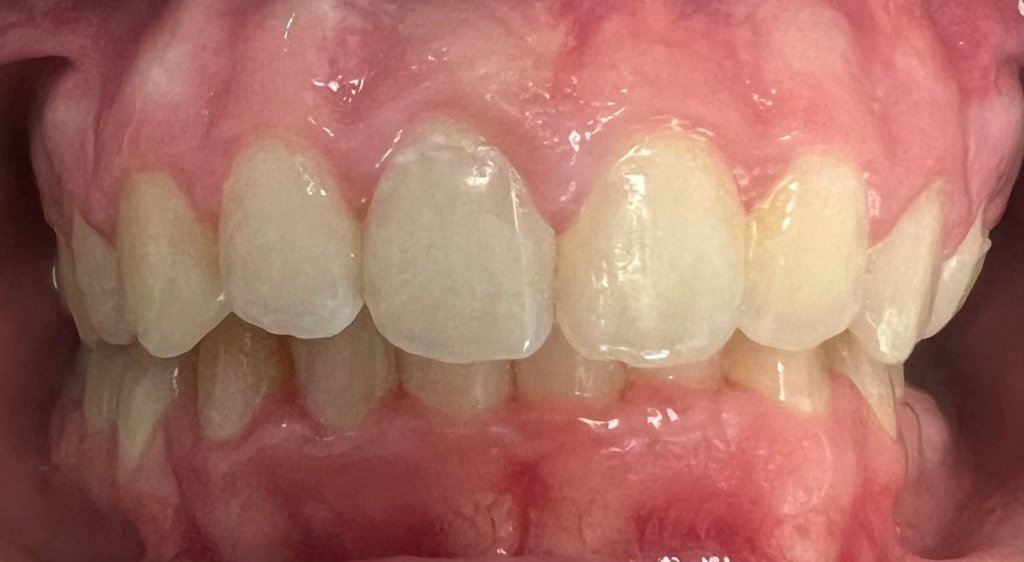
One young patient came to us with delayed lower jaw growth and severe crowding of her lower incisors. Her mother was worried about extractions and asked if there was another option.
With FASTBRACES:
All of this was achieved without extractions and without surgery. Even though surgical options had been considered. The results exceeded what was expected.
BEFORE
AFTER
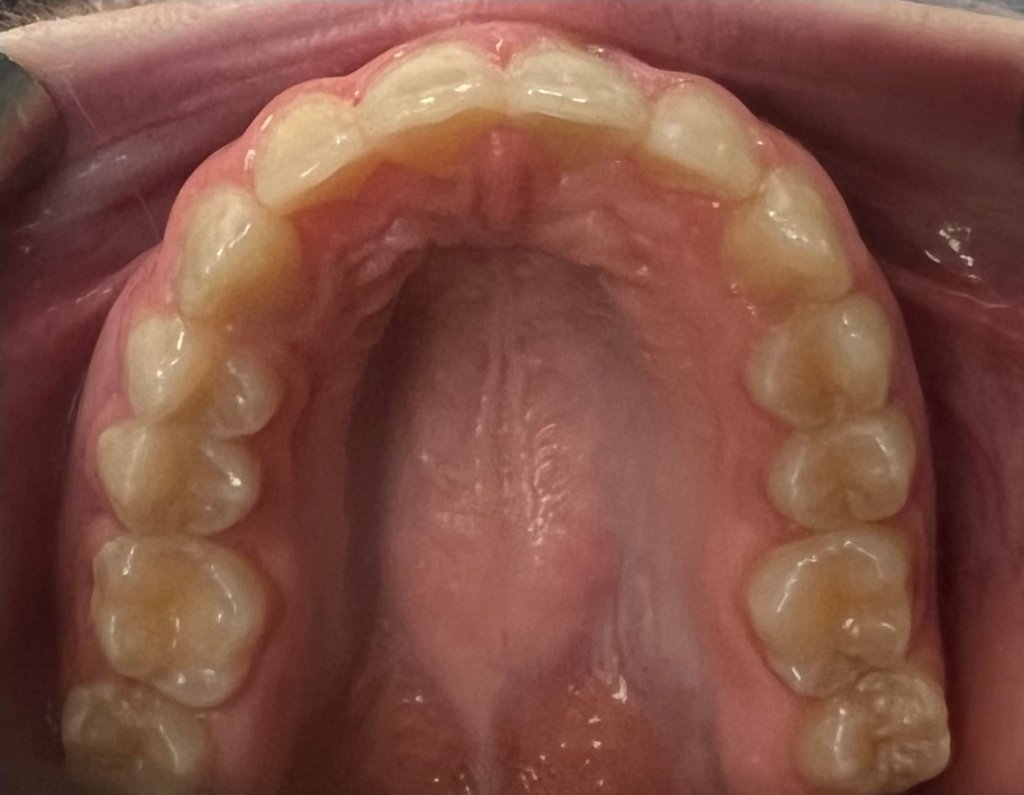
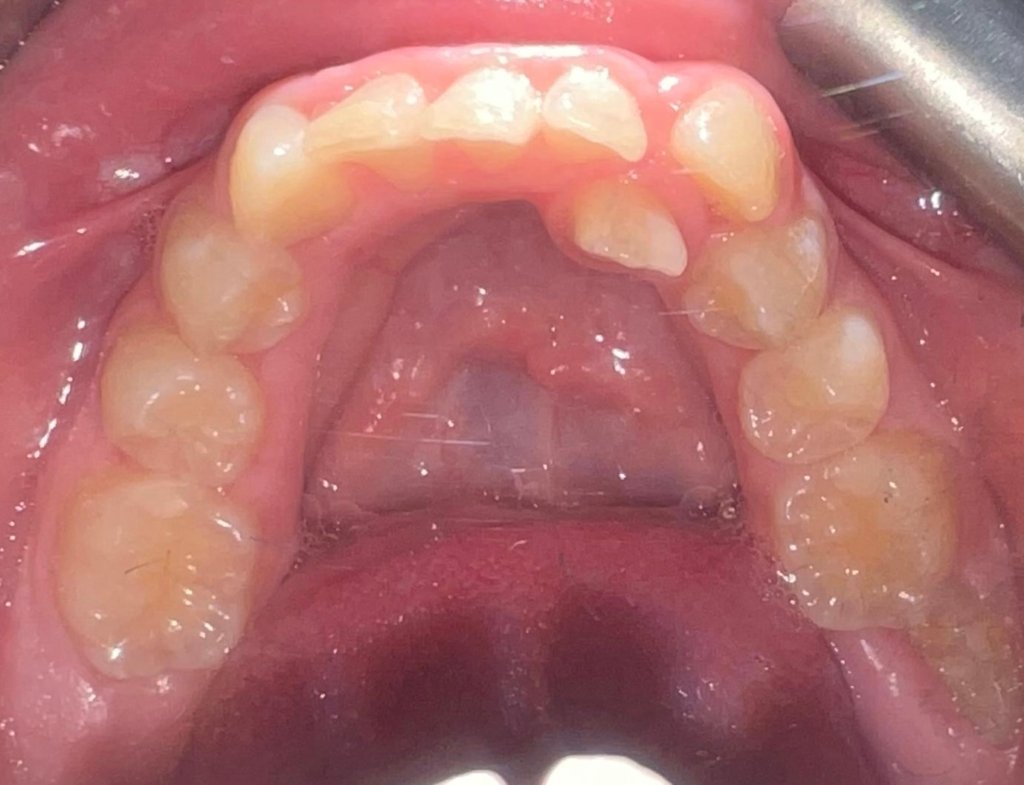
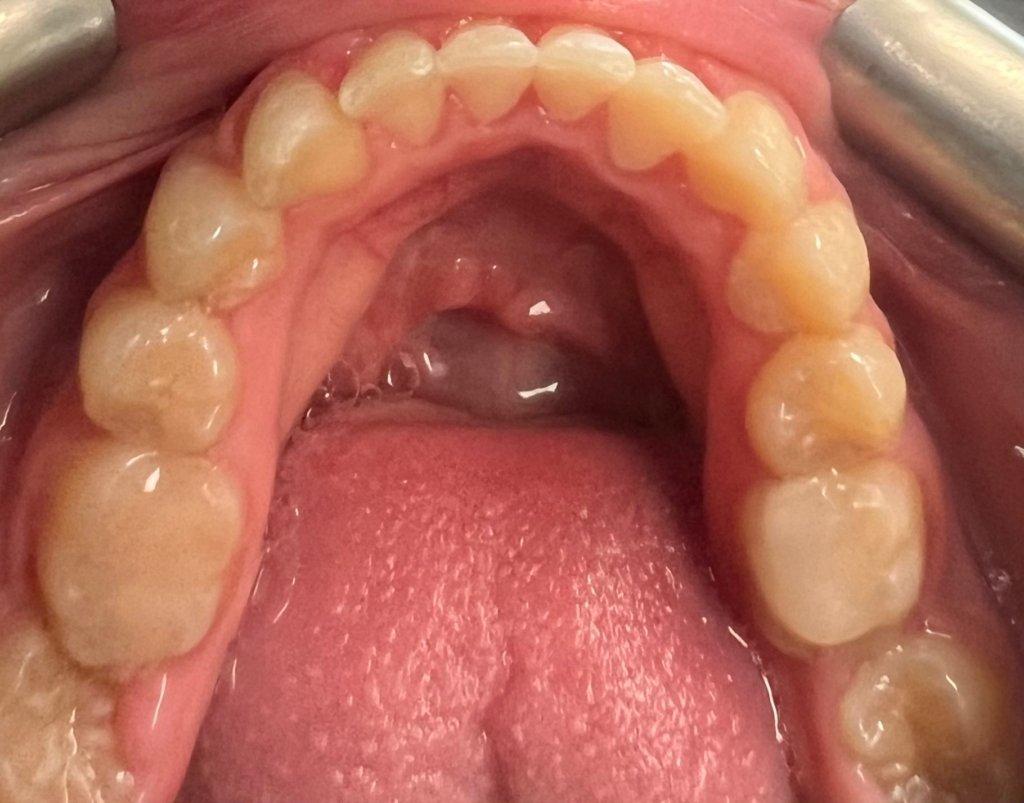
If you are interested in FASTBRACES orthodontic treatments, you should look at the points mentioned below to make a knowledgeable decision.
Step 1: Consultation ($100)
Book online. This fee includes all images needed to evaluate your case and is applied toward your treatment cost. You’ll receive X-rays and photos, learn about your options, and get a full breakdown of costs, financing, and insurance benefits.
Step 2: Dental Clearance
If you’ve had a dental exam in the last 6 months, those records can be used. If not, a dental exam can be scheduled concurrently with your consultation.
Step 3: Bonding Appointment
Brackets are bonded to your teeth in a progressive order specific to your case. You’ll receive guidance on dietary restrictions and oral hygiene to keep brackets secure and teeth clean.
Step 4: Treatment
Regular appointments monitor progress. Because FASTBRACES works efficiently from the start, fewer adjustments are needed along the way.
For many patients, FASTBRACES can address even complex orthodontic problems, often without extractions, without surgery, and in less time than you might expect. Book a consultation online today to find out if FASTBRACES is the right solution for you or your child.
FASTBRACES represents a meaningful shift in how orthodontic treatment is approached. By moving teeth and bone simultaneously, it delivers faster results, causes less discomfort, and eliminates the need for extractions in the majority of cases, even complex ones.
Whether you’re a teen getting your first orthodontic evaluation or an adult who was told extractions were unavoidable, FASTBRACES is worth exploring. The technology has made it possible to achieve outcomes that simply weren’t realistic with conventional braces, and in far less time.
If a healthier bite, a fuller arch, and a better quality of life sound worthwhile, the next step is a simple consultation.
Less so than traditional braces, the simultaneous tooth and root movement is more gradual and causes less soreness.
FASTBRACES uses fixed brackets and handles complex cases better; Invisalign uses removable aligners and suits patients with crowns or bridges.
Teens and adults with all permanent teeth are eligible for a consultation to confirm the right timing for your case.
Yes, a retainer is required after treatment to keep your teeth in their new position.
It varies by case. The $100 consultation fee (applied to treatment) covers X-rays and a full cost breakdown, including financing and insurance options.
When Should You See a Dentist for Pericoronitis? Warning Signs to Know

4 Common Denture Problems and How to Fix Them

Why Is My Tooth Turning Dark All of a Sudden?

What’s Hiding Under Your Old Fillings?
What Is Periodontal Disease? Signs, Causes & Treatment

| M | T | W | T | F | S | S |
|---|---|---|---|---|---|---|
| 1 | 2 | 3 | 4 | |||
| 5 | 6 | 7 | 8 | 9 | 10 | 11 |
| 12 | 13 | 14 | 15 | 16 | 17 | 18 |
| 19 | 20 | 21 | 22 | 23 | 24 | 25 |
| 26 | 27 | 28 | 29 | 30 | 31 | |