

August 10, 2026
Dental fillings do a great job of repairing cavities and helping you maintain your natural teeth. Once they’re in place, it’s easy to forget they’re even there. But like anything else in your mouth, fillings don’t last long. They can wear down with time, loosen, or even allow bacteria to sit underneath without being noticed.
In fact, tooth decay remains a common issue, with 21% of adults aged 20-64 having untreated tooth decay. That hidden damage often stays unnoticed until you start dealing with sensitivity, pain while chewing, or a cavity that’s much larger than expected. If you’ve had the same filling for years, you might be curious whether it’s still working fine or not. Many people think an old filling is fine just because it doesn’t hurt. But the truth is that problems can develop long before symptoms show up.
In today’s blog, we’ll discuss what can hide beneath old dental fillings, its warning signs, and the right time to get it checked. So, let’s get started!
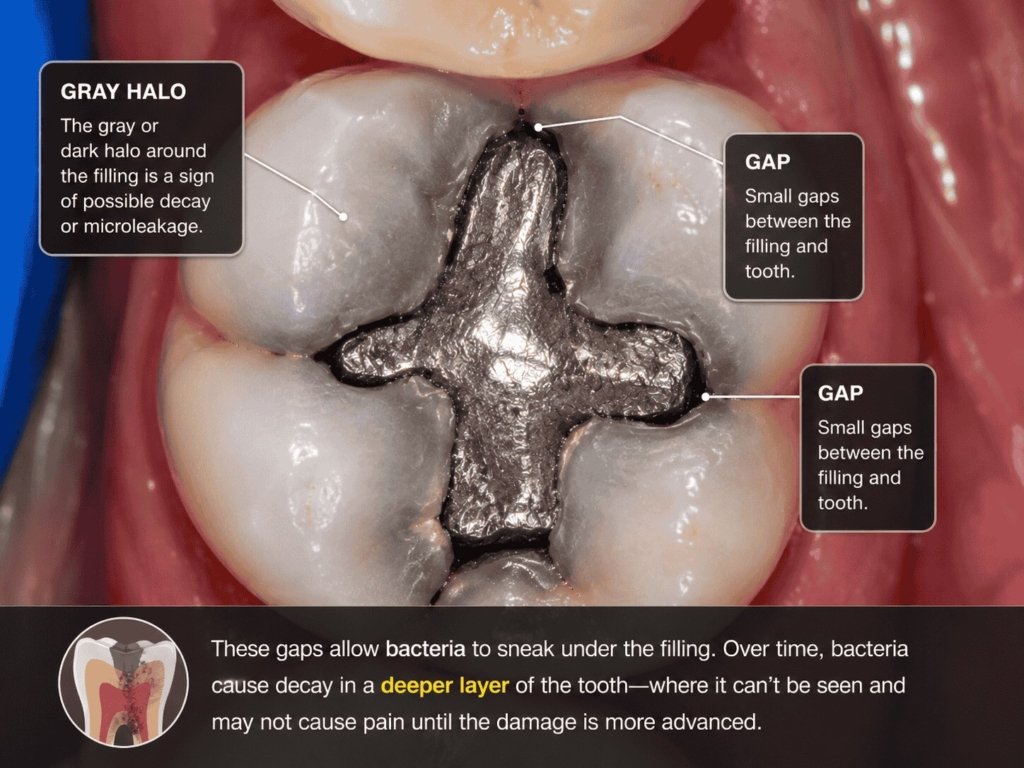
Most dental fillings are built to last for years, but they aren’t permanent. Daily chewing, teeth grinding, and natural wear can weaken them over time. But your mouth often gives you clear signs long before the problem becomes serious.
Here are some of the most common warning signs:
One of the major challenges with old fillings is that problems don’t always make themselves known right away. You may feel completely fine while decay slowly develops underneath the restoration.
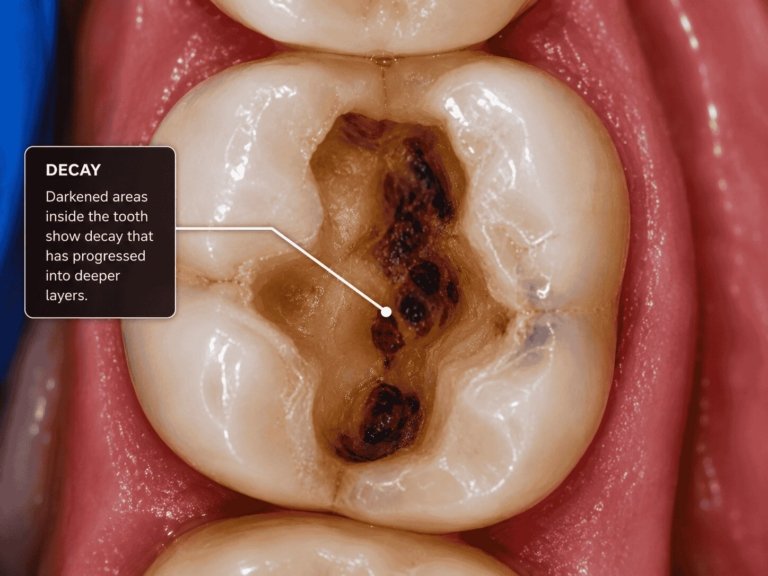
Since hidden damage isn’t always clear or painful, Dentists use a combination of a clinical examination, symptoms, and digital X-rays.
Here’s how they identify the real causes:
Dental fillings can last for many years, but they may eventually crack, loosen, wear down, or develop gaps around the edges. When this happens, bacteria can reach the tooth beneath the filling and cause additional damage.
Here’s how it protects your teeth:
Dental fillings can last many years, providing your teeth protection against decay that lasts as long as they are maintained, but they should never be forgotten about. Keep wearing down, hidden deterioration, minute cracks, or chronic wear can uncover themselves in time without apparent symptoms; this is crucial to come to a dental professional periodically, ideally every day, and take the tough step involved in oral health. If you notice sensitivity, pain, or changes around an existing filling, don’t wait for the problem to worsen. Having your fillings evaluated early can help preserve your natural teeth and prevent more complex treatment in the future.
Yes. Fillings can wear down over time or develop small gaps along the edges. Bacteria may enter these spaces and cause decay beneath or around the existing filling, sometimes without noticeable symptoms.
It can. Sensitivity may occur if the filling has worn down, developed a leak, or if decay has formed around it. Sensitivity that continues or worsens should be checked by a dentist.
Your dentist will use local anesthesia to keep you comfortable during the procedure. You may experience mild sensitivity afterward, but your dental team can explain what to expect and how to care for your tooth at home.
Contact a dentist promptly if your filling falls out, your tooth breaks, or you experience severe pain, swelling, or difficulty biting. Until you receive care, avoid chewing on that side and keep the area clean.
Not necessarily. If the filling stays secure and the tooth is healthy, your dentist may simply monitor it. However, replacing a damaged or leaking filling may help prevent further decay and protect more of your natural tooth.
4 Common Denture Problems and How to Fix Them

Why Is My Tooth Turning Dark All of a Sudden?

What’s Hiding Under Your Old Fillings?

What Is Periodontal Disease? Signs, Causes & Treatment


| M | T | W | T | F | S | S |
|---|---|---|---|---|---|---|
| 1 | 2 | 3 | 4 | 5 | 6 | |
| 7 | 8 | 9 | 10 | 11 | 12 | 13 |
| 14 | 15 | 16 | 17 | 18 | 19 | 20 |
| 21 | 22 | 23 | 24 | 25 | 26 | 27 |
| 28 | 29 | 30 | ||||