March 11, 2024
In the search for the best oral hygiene routine, the selection of a mouth rinse is one of the key factors. Although conventional products such as Listerine (mouthwashes containing alcohol) and chlorhexidine have been the most widely used mouth rinses, there is an alternative – using molecular iodine in a mouth rinse formulation.
This blog will provide insights into the effectiveness of molecular iodine compared to its predecessors.
Alcohol-based mouthwashes like Listerine are widely used because they can eliminate bacteria and provide fresh breath. The main disadvantage of these mouthwashes is that they may cause problems because of their composition, namely, a large amount of alcohol. This factor is not good for the mouth, as it can make the oral cavity too dry.
Another mouth rinse that’s a strong solution is chlorhexidine. It should be taken only upon prescription, as it is effective in the elimination of germs. Chlorhexidine is often prescribed in case of severe problems with gums, especially in the presence of gum disease. Unfortunately, when used regularly, it can cause various adverse effects, including discolouration of teeth and tartar accumulation.
In dentistry and oral health, molecular iodine represents a new era. It provides a strong yet mild solution to current mouthwashes. The spectrum of antimicrobial activity targets bacterial, viral, and fungal organisms, just like that of chlorhexidine mouthwash, except that it does not foster resistance or upset the equilibrium of microorganisms in the mouth. Unlike alcohol-based rinses, which tend to irritate the mouth, molecular iodine is ideal for regular use, as it does not dry out the mouth.

In the comparison between molecular iodine and alcohol-based rinses and chlorhexidine, some factors can be distinguished. First, its efficiency in lowering periodontal inflammation and load of microbes is as effective as or more so than chlorhexidine, and the latter does not have the side effects. Research indicates that molecular iodine is very effective in infiltrating periodontal pockets during deep cleaning procedures, as it has an advantage in treating gum disease in a more comprehensive way.
Molecular iodine does not add to oral dryness or irritation, which is a problem that alcohol based rinses add to the overall oral health. It is an attractive alternative to long-term oral care due to its safety profile and the possibility of its combination with daily use.
The need to choose an effective mouth rinse is not confined to oral health. The correlation between periodontal disease and systemic-related diseases, such as stroke, cardiovascular disease, Alzheimer’s disease, diabetes, rheumatoid arthritis, cancer and pregnancy complications, underscores the importance of good oral hygiene practices.
Molecular iodine is an excellent antimicrobial compound that is non-toxic and therefore could be used in the fight against periodontal disease and its systemic consequences. Oral health is an important component of overall health, as it can be used to reduce the risk of related conditions in the body by controlling the oral pathogens using effective measures, with no side effects.
Read More: The Healing Power of Mouthwash for Gingivitis and Periodontitis
The comparison of molecular iodine and conventional mouth rinses, such as alcohol-based solutions and chlorhexidine, shows a strong argument in favour of including the former in oral health practice. Molar iodine is a better option because of its combination of effectiveness, safety, and systemic health consequences, which is why it becomes an excellent choice when patients want to have a comprehensive oral care that supports the overall health.
The use of effective mouth rinses is becoming more important as research unravels the relationships between oral health and systemic diseases. Molecular iodine is not only a possible alternative but also a better one that provides an overall solution to health, which starts with the mouth but goes much further. The changing scene in dental care is a step towards our comprehension and practice with regard to oral care as the key to health.
Molecular iodine mouthwashes are quite safe to be used on a consistent basis. They do not lead to dehydration or irritation in any case; therefore, they can be used as an oral health care product for quite a prolonged period of time.
Molecular iodine has shown a comparable antimicrobial effect to chlorhexidine in the management of gum disease without adverse effects such as tooth staining and tartar formation. It can also assist in keeping a healthier ratio of oral microbiota.
While alcohol-based mouthwashes can kill bacteria and freshen breath, frequent use may lead to oral dryness and irritation. This can disrupt the natural balance of the oral environment and potentially worsen certain conditions over time.
Yes, good oral hygiene is closely linked to overall health. Poor oral health, especially gum disease, has been associated with systemic conditions such as cardiovascular disease, diabetes, and other inflammatory disorders. Using an effective mouth rinse can be part of a preventive health strategy.
What Is Periodontal Disease? Signs, Causes & Treatment


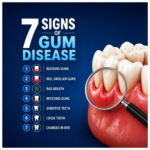
7 Early Signs of Gum Disease You Should Never Ignore