April 4, 2024
Pregnancy brings remarkable changes to a woman’s body as it supports the growth and development of her baby. While so much attention is paid to nutrition, prenatal vitamins, and regular screening, other important factors, such as oral health in pregnancy, tend to go out of focus. As research begins to advance, it will be evident that the relationship between oral health and pregnancy outcomes is intertwined, and there is a need for vigilant oral hygiene and regular dental visits during this critical time.
Oral health is more than just a glowing smile; it is an integral part of general health and wellness. The mouth, as the entry point to the body, gives clues to general health and may serve as a front line for identifying early signs of diseases at the systemic level.
Hormonal changes during pregnancy greatly raise the risk for oral health problems, including gingivitis (inflammation of the gums), periodontitis (severe gum disease), and pregnancy tumors (also called pyogenic granulomas) . These conditions can affect both oral health and overall pregnancy wellness.
Yes, dental cleaning during pregnancy is encouraged and considered safe by major dental and obstetric organizations. Regular dental cleanings prevent the buildup of plaque and lower the chances of gum disease, which can be aggravated by hormonal fluctuations during pregnancy.
Many dental professionals suggest having at least one dental cleaning during pregnancy, mainly during the second trimester, when it’s generally the most restful time for both the mother and the baby. Cleanings are non-intrusive and don’t involve drugs or procedures that could pose any risk.
If your gums feel swollen, or bleed while brushing, or if you’re scheduled for a check-up, don’t postpone your appointment. Regular cleanings during pregnancy not only support your oral health but also your overall well-being, which supports your baby’s health too.
Some studies have linked periodontal disease to some pregnancy complications. Again, it is an important area of research, and how inflammation influences this relationship.
When gum disease occurs, pathogenic bacteria and inflammatory by-products can cross into the bloodstream. This may cause inflammation in other parts of the body, including the placenta and other tissues involved in pregnancy.
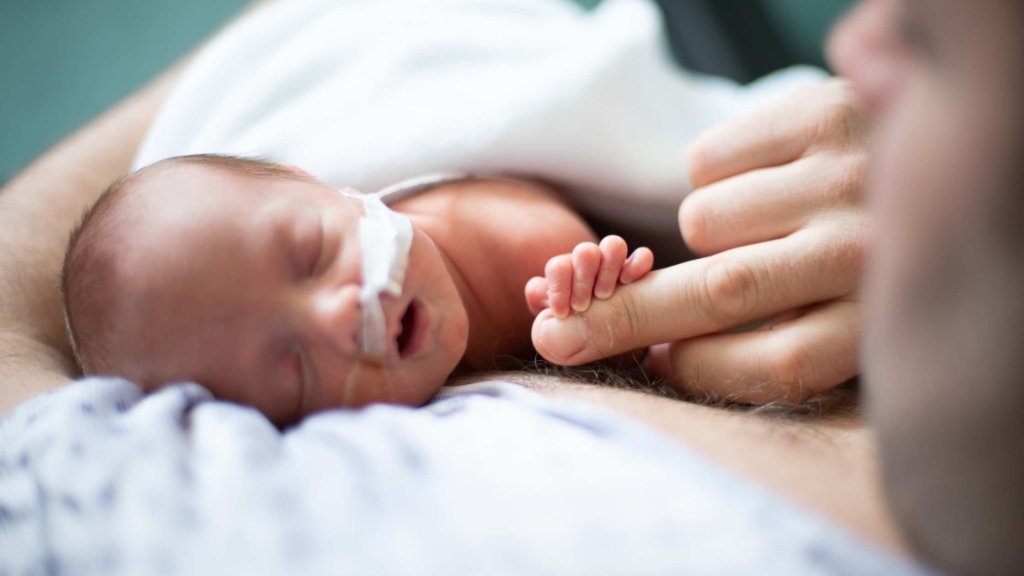
Premature birth refers to when a baby is born before 37 weeks of pregnancy.
Studies show that leaving a treatable periodontal disease untreated in a pregnant woman can lead to an early birth.
Some issues premature babies may have include:
Associations between low birth weight and maternal oral health were also suggested by some publications:
Preeclampsia is a severe complication of pregnancy characterized by:
Although the precise causes are undefined, researchers space beneficial whether chronic inflammation brought about by periodontal disease can result in a higher chance.
Oral health during pregnancy is vital for both mother and baby. So here is a list of the best things you can do for your oral health during the period:
Perinatal health care providers need to collaborate with obstetricians and dentists so that planning for appropriate oral health during routine prenatal care is provided to expectant mothers. At the core of the answer is to demonstrate to women how important oral hygiene is during pregnancy and their behavioral attitude towards going to dentists as a routine.
Read More: Why Dental Crowns are the Perfect Solution for Tooth Restoration in Allen, TX?
Oral health and a healthy pregnancy are connected. Emphasizing oral wellness may eradicate the chances of pregnancy issues and provide a healthier delivery for every child. To a greater extent, dental check-ups, appropriate oral hygiene, combined with formulation of an appropriate balanced diet, synergistically prevent systemic ramifications on the general health of expectant mothers and their offspring, warranting a groupwork approach to uplift prenatal care.
We are learning more about how oral health intersects with pregnancy, and one thing is certain: a healthy mouth is an essential ingredient to a healthy pregnancy.
Yes, routine dental check-ups and professional cleanings are safe during pregnancy. In fact, regular dental care can help prevent gum disease and other oral health issues that may affect your overall well-being.
Hormonal changes can make your gums more sensitive to plaque and bacteria, leading to pregnancy gingivitis. This can cause redness, swelling, and bleeding, especially when brushing or flossing.
Yes, pregnancy can increase the risk of tooth decay, enamel erosion from morning sickness, and gum disease. Maintaining good oral hygiene and attending regular dental appointments can help protect your teeth.
The second trimester is often considered the most comfortable time for routine dental treatments. However, necessary dental care and emergency treatments can typically be performed safely at any stage of pregnancy.
When Should You See a Dentist for Pericoronitis? Warning Signs to Know

4 Common Denture Problems and How to Fix Them

Why Is My Tooth Turning Dark All of a Sudden?
What’s Hiding Under Your Old Fillings?
What Is Periodontal Disease? Signs, Causes & Treatment

| M | T | W | T | F | S | S |
|---|---|---|---|---|---|---|
| 1 | 2 | 3 | 4 | |||
| 5 | 6 | 7 | 8 | 9 | 10 | 11 |
| 12 | 13 | 14 | 15 | 16 | 17 | 18 |
| 19 | 20 | 21 | 22 | 23 | 24 | 25 |
| 26 | 27 | 28 | 29 | 30 | 31 | |