

June 26, 2024
Dental fillings are one of the most widely used and successful procedures in modern dentistry for restoring teeth affected by decay, wear, or minor damage. A filling restores the shape and function of a tooth that has been lost due to decay, cracks, or fractures.
Fillings are probably one of the most common restorative treatments you receive to treat cavities before they progress into something more severe in terms of dental problems.
This is your guide to dental fillings, from what the procedure entails to some aftercare tips to extend the life of your new dental filling.
A dental filling is a treatment that repairs a decayed, worn, or fractured tooth. During this process, the damaged tooth structure is removed, and a durable filling material is utilized to restore the strength, shape, and function of the tooth. Types of fillings include silver amalgam, composite resin, or ceramics.
Choice of material may depend on the location of the tooth to be restored, the extent of repair required, the aesthetics sought by a patient, or even desires expressed directly by patients.
A dental filling may be recommended if a tooth has decayed or if there is a small break or wear in the enamel.
Common symptoms that may be associated with a filling include:
However, some cavities develop without any symptoms, and this is why regular dental examinations are still important to give early warning.
Read more – How to Spot Small Cavities Before They Worsen
Knowing what to expect during the dental filling procedure can help you to ease some of your concerns. Let’s take a closer look at what you can expect.
The first part of the process is performing a complete examination by your dentist. That may involve a digital X-ray, as well as visual inspection of the tooth to assess the severity of decay or damage, and determine whether fillings are an appropriate solution.
The dentist will explain the result to you and the reasons why a dental filling is needed.
Your dentist will numb the area around the tooth that needs treatment with a local anesthetic so you experience no pain during treatment. This is a significant part of them being comfortable and not in pain.
The dentist may use certain dental tools once the area has been numbed to cut out and remove the decayed part of the tooth. This is key to stopping further decay and enabling restoration.
After the decay has been eliminated, the cavity is cleaned out to remove any remaining bacteria and debris. This creates a clean treatment area for the filling, reducing the chances of problems later on.
When the material of choice is selected, your dentist will replace and fill in the cavity.
Composite resin works layer by layer, and after each layer, a curing light is used to harden the filling. Other materials follow the same principle of reinstating tooth structure and function.
After the filling has been placed, the dentist will contour it to fit the natural shape of your tooth. Lastly, the filling is buffed to produce a smooth surface that is comfortable and natural.
While there are several types of dental fillings available, the most commonly used options today include composite fillings, amalgam fillings, and porcelain fillings.
Composite fillings are made from a mixture of plastic and fine glass particles. They can be closely matched to the color of your natural teeth, making them an excellent choice for visible areas of the mouth.
Composite resins bond directly to the tooth structure, providing additional support. Because they blend naturally with surrounding teeth, composite fillings have become one of the most commonly used restorative materials in modern dentistry.
An amalgam filling is composed of a blend of metals, such as silver, mercury, tin, and copper, and is known for being strong and durable. They are often used for molars, where chewing forces are greatest.
Dental amalgam is a reliable material that has been used for many years and is suitable in certain circumstances. Patients with concerns regarding filling materials should consult with their dentist to find an appropriate material.
These porcelain fillings are highly durable, resistant to stains, and very aesthetically pleasing. Porcelain is frequently selected for larger restorations, inlays, and onlays, because it can be tooth-colored to blend in with the adjacent teeth.
Porcelain fillings are a long-term solution and look natural.
Filling Type | Average Lifespan |
Composite Fillings | 5–10 Years |
Amalgam Fillings | 10–15 Years |
Porcelain Fillings | 10–20 Years or Longer |
Routine dental examinations help identify wear and allow restorations to be maintained before problems develop.
Aftercare is an important aspect of preserving your new restoration and ensuring it lasts as long as it can. If your dentist gives you guidelines to follow, you can lower your tooth sensitivity and avoid further dental issues.
A filling is a widely recognized and successful treatment to restore the health and function of a tooth that has been damaged or decayed.
By understanding the dental filling procedure and following proper aftercare recommendations, patients can help ensure their restorations last as long as possible. The durability of fillings and good oral health are still dependent on regular dental check-ups and oral hygiene.
Patients looking for dental fillings in Allen, TX, can actually benefit from the early diagnosis and treatment of cavities before they become more complex dental issues. Regular checkups are among the best methods for catching decay early.
If you have any concerns or questions about dental fillings, consult your dentist for personalized recommendations and care.
Most patients experience little to no discomfort during a filling because local anesthesia is used to numb the treatment area.
Most patients can eat once the numbness has worn off. Soft foods such as yogurt, soup, eggs, oatmeal, and pasta are often recommended immediately after treatment. Hard, sticky, or chewy foods should be avoided until the tooth feels comfortable.
Numbness typically wears off within two to four hours, depending on the anesthetic used and individual factors.
Common signs include tooth sensitivity, pain while chewing, visible holes, dark spots, food trapping, or rough areas on a tooth. A dental examination can determine whether a filling is needed.
What Is Periodontal Disease? Signs, Causes & Treatment


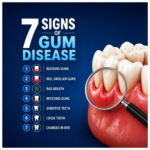
7 Early Signs of Gum Disease You Should Never Ignore