

July 1,2026
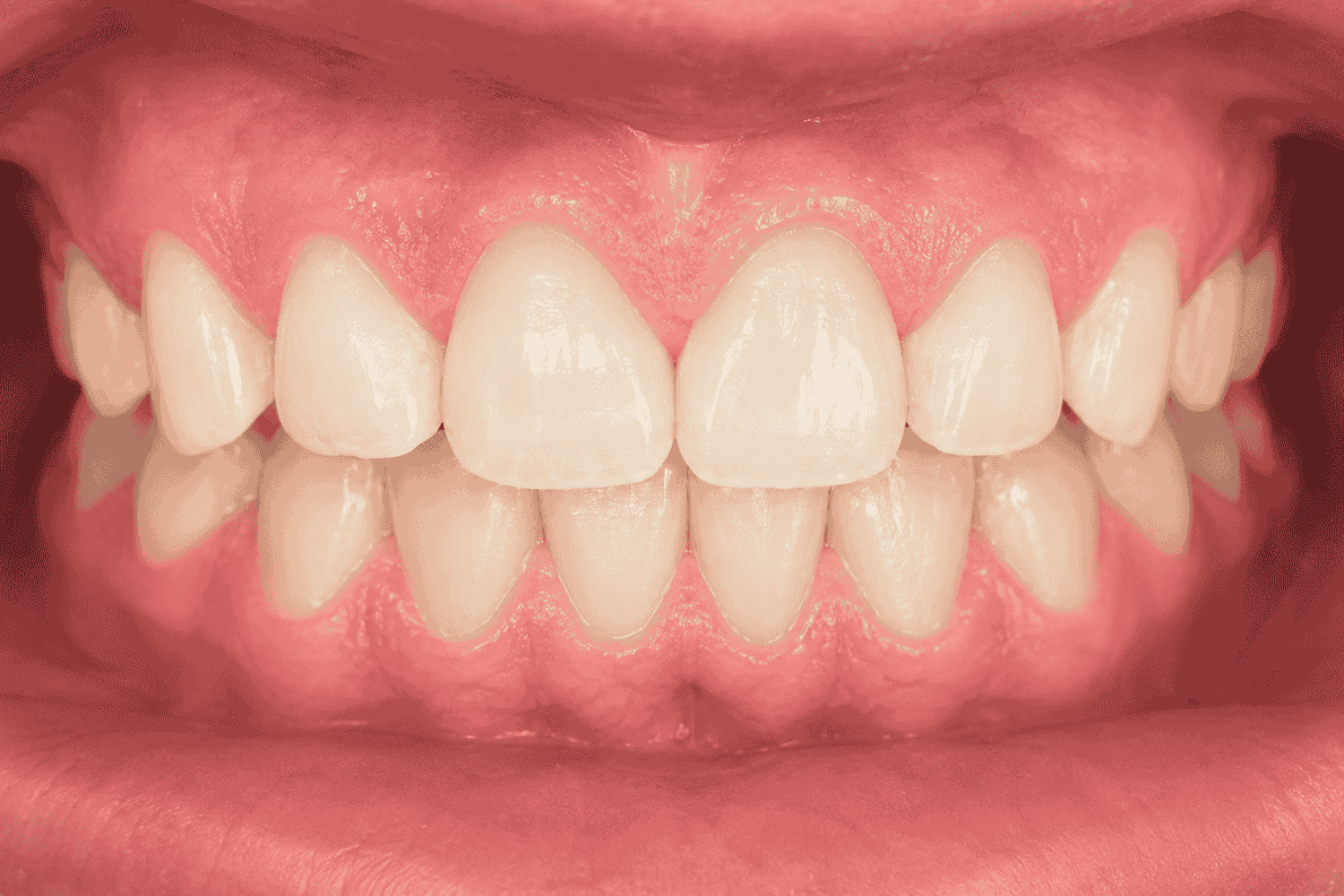
As an individual or parent who wears braces, you might have observed some strange changes in your gums, which appear to be growing and almost covering the teeth.
You may also have been told by your dentist that you have gingival overgrowth. It might be quite disturbing; however, a solution does exist, and that is the gingivectomy surgery.
In this guide, we’ll walk you through everything you need to know about a gingivectomy, why gum overgrowth happens, and how to tell if you need the procedure.
A gingivectomy is a dental procedure that involves the surgical removal of excess or overgrown gum tissue, known medically as the gingiva. The word itself comes from Latin: gingiva (gum) + ectomy (surgical removal).
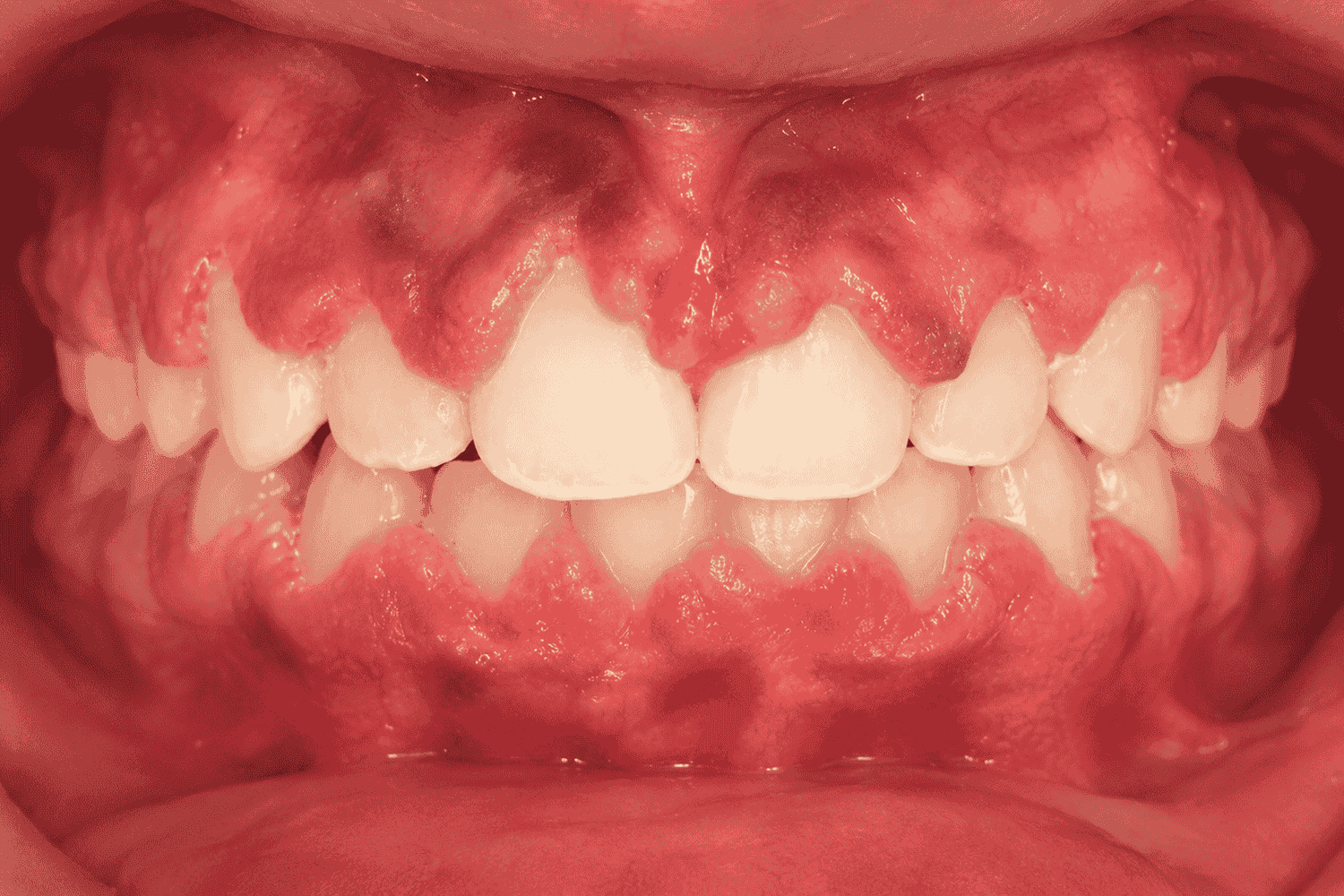
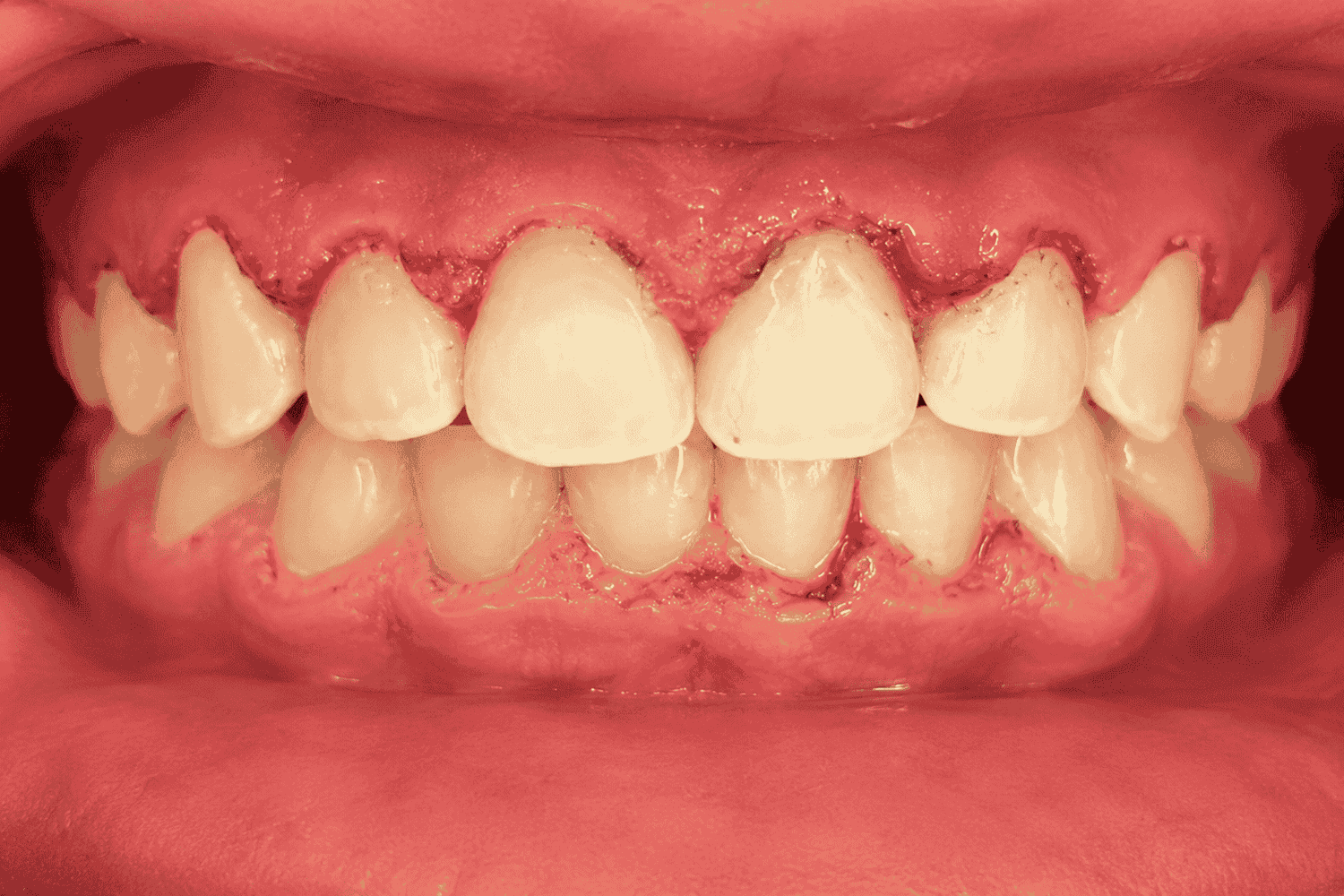
Gingival overgrowth, characterized by the growth of gum tissue beyond its normal boundaries to cover the teeth, is caused by various factors.
Some of the most frequent causes seen among our Allen, TX, patients include:
This is the most common cause we see. If a patient has some space between their teeth and wears braces, the gingival tissues tend to accumulate in that area. With time, it can completely cover the tooth surface, making it difficult for proper cleaning and having an effect on the appearance of your smile. If your child wears braces and their gums seem to look swollen, this is probably the reason.
Healthy gums require stimulation through chewing and brushing as well as flossing in order to maintain their proper size. The reason why gums enlarge is that they do not receive enough stimulation. Gums enlarge and cover more areas of the teeth than they ought to.
There are individuals who naturally have genes that make them more likely to develop this problem. If one of your family members has suffered from gum overgrowth, then it is very likely that you or your children will too.
Certain medicines that might be used to treat high blood pressure, epileptic fits, or prevent transplant rejection can lead to abnormal gum growth. In case you have been using any of these drugs for a while and find that your gums are growing abnormally, you should consult your dentist about it.
Not sure if your gums are a concern? Here are the most common signs that a gingivectomy evaluation might be the right next step:
If you recognize any of the above, it does not mean there is anything fundamentally wrong with your dental hygiene, but it does mean a simple evaluation will go a long way toward making you more comfortable and confident.
We understand that any dental treatment can seem scary if you don’t know what is involved. Luckily, a gingivectomy is a simple process, usually done in one sitting, and only takes up to an hour at most.
Here’s what exactly happens in the gingivectomy procedure:
Gingivectomy can be considered a safe and efficient treatment option for your gums that may have become enlarged because of your braces, genetics, or any medications that you take.
To learn more about whether you can benefit from the Aesthetic Gingivectomy procedure, contact All Smiles Dentistry & Orthodontics in Allen, TX. Book a consultation today and let us take a look.
No. The procedure is performed under local anesthesia, so you won’t feel pain during treatment. Mild discomfort afterwards is usually manageable with prescribed medication.
Most patients recover within 1–2 weeks, although complete healing of the gum tissue may take a few weeks longer.
Yes. An aesthetic gingivectomy can reshape excess gum tissue, making teeth appear longer and creating a more balanced smile.
In many cases, the results are long-lasting. However, gum tissue may grow back if the underlying cause, such as certain medications or poor oral hygiene, is not addressed.
Yes. Gingivectomy is commonly performed for patients with braces when excess gum tissue makes cleaning difficult or covers part of the teeth.
When Should You See a Dentist for Pericoronitis? Warning Signs to Know

4 Common Denture Problems and How to Fix Them

Why Is My Tooth Turning Dark All of a Sudden?

What’s Hiding Under Your Old Fillings?

What Is Periodontal Disease? Signs, Causes & Treatment

| M | T | W | T | F | S | S |
|---|---|---|---|---|---|---|
| 1 | 2 | 3 | 4 | |||
| 5 | 6 | 7 | 8 | 9 | 10 | 11 |
| 12 | 13 | 14 | 15 | 16 | 17 | 18 |
| 19 | 20 | 21 | 22 | 23 | 24 | 25 |
| 26 | 27 | 28 | 29 | 30 | 31 | |