
Jan 24, 2024
Missing teeth can affect much more than your appearance. They can make everyday activities like eating, speaking, and smiling feel uncomfortable or frustrating. As teeth are lost over time, jawbone health and facial structure can also change.
Today, there are a number of dental implant solutions available that will bring back function and confidence. Dental implants are a long-lasting, aesthetically pleasing solution that can significantly contribute to your overall oral health, whether you are missing a single tooth or more.
At All Smiles Dentistry in Allen, every patient has their own unique oral health needs. Knowing the different dental implant options is the first step towards determining which dental implant treatment is best for you.
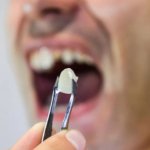
Dental implants are artificial tooth roots that are placed into the jawbone to support replacement teeth. Most implants are made from biocompatible titanium, allowing them to fuse naturally with the surrounding bone through a process called osseointegration.
If you’re considering treatment and would like to learn more about the procedure, recovery, and results, read our guide on what to expect during the dental implant process.
After the implant has integrated into the jawbone and is functioning properly, a crown, bridge, or denture can be placed over the implant. The implant replaces the tooth root and the visible tooth, which means that it has advantages that other tooth replacement options do not have.
One of the most effective methods to replace teeth today is with dental implants, which are known for their durability, stability, and natural appearance.
Many people delay treatment after losing a tooth, especially if the missing tooth is not immediately visible. However, untreated tooth loss can lead to several oral health concerns.
When a tooth is lost, the jawbone in that area no longer receives stimulation from chewing forces. Over time, the bone can begin to shrink. Neighbouring teeth may also shift out of position, affecting your bite and increasing the risk of future dental problems.
Replacing missing teeth promptly can help preserve oral function, maintain facial structure, and reduce the likelihood of complications in the future.
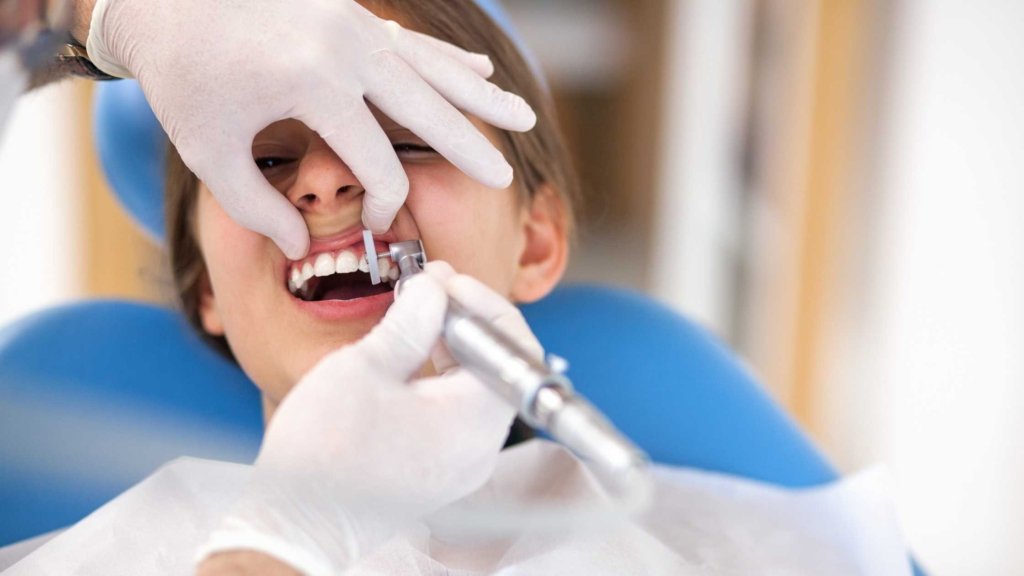
One of the biggest advantages of modern implant dentistry is that treatment can be customized to fit different needs and situations.
Traditional implants are the most widely used type of dental implant for replacing a missing tooth. In the process, a titanium implant post is surgically inserted into the jawbone. Once healed, a restoration made specifically for the implant is added to it.
Patients with healthy gums and adequate bone density are suitable for the traditional implants. They are very stable and can accurately resemble natural teeth in appearance and function.
If a tooth is missing, placing one dental implant and installing a crown will fill the space without harming any of the other teeth.
Unlike a standard dental bridge, there is no need to modify adjacent healthy teeth with a single implant. This conservative approach helps preserve natural tooth structure while restoring full function.
If the patient has several teeth missing in a row, multiple implants may not be necessary.
An implant-supported bridge utilizes strategically placed implants to support more than one tooth. This option can provide a stable restoration while requiring fewer implants .
A traditional denture may sometimes slip, move, or cause discomfort when chewing or speaking.
Implant-retained dentures are secured to implants placed in the jawbone, providing significantly greater stability than traditional removable dentures. The added stability provides patients with a more comfortable and confident experience.
Mini dental implants have a smaller diameter than regular implants and can be used for patients with insufficient bone density.
Less invasive, mini implants may sometimes shorten treatment and recovery time. They are often used to stabilize dentures or in cases where conventional implants may not be ideal.
Your dentist will decide whether mini implants are suitable for you, depending on the characteristics of your oral health.
Choosing the best implant solution depends on several factors, including:
A comprehensive dental evaluation is essential before recommending treatment. During your consultation, your dentist will examine your oral health, discuss your goals, and explain the options that best fit your situation.
Because every smile is unique, treatment plans should be tailored to the individual rather than following a one-size-fits-all approach.
The success of dental implants is partly due to their numerous benefits over conventional tooth replacement options.
The purpose of implants is to closely mimic the look and function of natural teeth. Custom restorations are meticulously designed to seamlessly integrate with your current smile.
Unlike removable dentures, implants offer a secure foundation that allows patients to enjoy a wider variety of foods with greater comfort.
When a tooth is extracted, bone loss can happen in the area afterward, but implants stimulate the jaw and slow down this process.
With proper care, dental implants can provide long-lasting results. There are many patients who are able to use their implants for many years.
A complete smile can have a positive impact on self-esteem and everyday interactions. After implant treatment, many patients will feel more comfortable speaking, laughing, and smiling.
Dental implants cannot get cavities, but they do need maintenance.
Proper oral care is still the key to preserving the health of the surrounding gums and bone structure. Success depends on proper daily brushing and flossing and regular dentist visits.
Professional dental cleanings also contribute to the health of your implants. Your dentist can keep an eye on the implant and detect any issues early through regular checkups.
Patients can prolong the life of their dental restorations by adhering to the recommended care guidelines.
The use of dental implants has revolutionized the replacement of missing teeth. The technology of today’s implants has evolved to provide a wide variety of treatment options for many patients, from single tooth replacement to full-arch solutions.
At All Smiles Dentistry in Allen, treatment begins with understanding your unique needs and goals . With customized treatment and innovative technology, patients can regain their oral function and confidence, while maintaining their long-term dental health.
With proper care and regular dental checkups, dental implants can last for many years. The implant post itself may last a lifetime, and the crown or restoration might need to be replaced over time because of normal wear.
Local anesthesia is usually administered so that the patient feels comfortable during the implant. Most people will have mild soreness afterwards, which can be treated with medication and good aftercare.
Eligibility for implants is not based on age. Dental implants can be placed successfully in many older adults. More important factors are overall oral health, bone quality, and general health.
Patients with bone loss may still qualify for dental implants. Depending on the situation, treatments like bone grafting or mini dental implants might be able to create a suitable foundation for restoration.
The timeframe for treatment depends on how complicated the case is and how quickly the person heals. In some cases, the procedure may take a few months, and in others, it may need more healing time before the final restoration can be placed.
Yes. Dental implants require ongoing professional monitoring to ensure the surrounding gums and bone remain healthy. Routine dental visits allow your dentist to detect potential problems early and help maintain the longevity of your restoration. Regular preventive care is one of the most important factors in long-term implant success.
What Is Periodontal Disease? Signs, Causes & Treatment


7 Early Signs of Gum Disease You Should Never Ignore