December 29, 2023
Tooth decay doesn’t always announce itself with pain. In many cases, it starts quietly and grows slowly, which is why small cavities often go unnoticed. By the time discomfort shows up, the damage may already be more serious than expected.
Knowing how to spot early tooth decay can help you act sooner, protect your teeth, and avoid more complicated dental treatments down the line.
And the main culprit is none other than acid-producing bacteria. It loves sugar and starch, so whenever you eat or drink something sweet or starchy, bacteria will start working. They will feed, multiply, and churn out acids that will slowly eat away at your enamel.
Initially, such damage only occurs on the outer layer of the tooth. No pain is experienced as the enamel has no nerves. And that is the reason why early cavities may not have any distinct signs, regardless of the fact that the shape of the tooth is already altering under the skin.
The earliest signs of a cavity are usually what you see, not what you feel. Maybe you spot a tiny change in color, or the surface looks a little off. Even if it seems minor, it means the enamel’s already starting to lose ground.
If you notice chalky white spots close to your gums, that’s a pretty clear sign your enamel’s starting to weaken. These spots mean your teeth are losing minerals, and they usually pop up near the gumline or in places that are tough to reach with a toothbrush. The good news is that, at this point, you can often stop or even reverse the damage if you take care of your teeth and see your dentist.
When decay gets worse, those white spots can turn brown or even black. You’ll often see these darker stains in the little grooves or crevices of your molars, since food and plaque love to hide there. If you spot dark patches, it’s a sign the decay isn’t just starting out anymore; it needs to be checked out and treated.
If enamel continues to break down, small pits or holes can form. You may feel them with your tongue before you see them. Once a hole develops, the cavity is no longer superficial and typically requires restorative treatment.
Visual signs aren’t the only clues. Sensations you feel while eating or drinking can also signal early decay.
Sensitivity will definitely occur is tooth enamel is thin, and it’s exposing the dentin underneath. You will experience a sharp and lingering reaction while having cold drinks, hot foods, or sweets. It is also true that sensitivity is not always due to a cavity, but if you have new or worsening symptoms, then don’t ignore them.
Small cavities can cause discomfort sometimes, especially when you chew something. One may easily ignore this pain as it’s not constant. But still, intermittent toothaches often indicate that decay is moving deeper into the tooth.
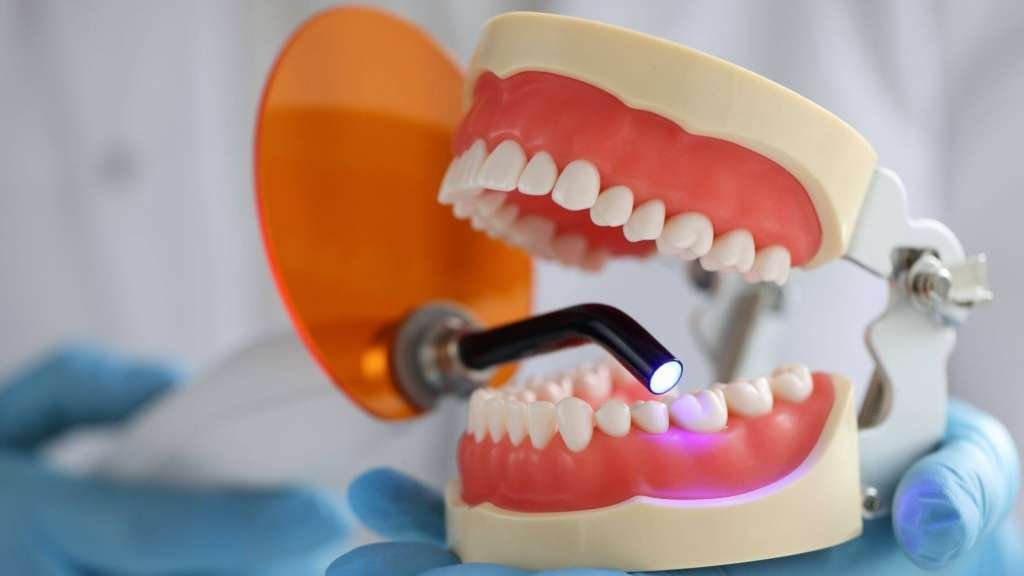
Most of the things will change if there is early detection. When decay is only upto the enamel, then the treatment options will be simpler, faster, and less invasive. But if the decay has reached dentin, it will spread more quickly and weaken the structure of the tooth.
Addressing cavities early also helps preserve more of your natural tooth. That matters because every dental procedure removes some amount of healthy structure. The earlier the intervention, the more conservative the treatment can be.
Tooth decay will not stop by itself. After the breakdown of enamel, bacteria move into dentin, which is softer and less resistant. From right there, decay can easily reach the pulp, where nerves and blood vessels are located.
Pain becomes more intense at that point, and treatment will not be that easy. What could’ve been a small filling may turn intro crown or root canal. That escalation can be avoided by early care.
Dentists do not depend on just visual checks to find the small cavities. To reveal decay between teeth or under the enamel surface, X-rays would help. Dental instruments can also spot soft spots that reflect mineral loss.
Because early changes are subtle, regular dental exams are often the only way to catch small cavities before they worsen.
Not every small cavity requires a filling on an immediate basis. If decay is only upto enamel, then remineralization is still possible. However, fillings become the most beneficial way to prevent decay from spreading.
A dental filling stops the bacteria from getting inside by clearly removing the damaged area and sealing the tooth. This brings back strength and protects the tooth from further breakdown.
When you choose to get fillings early, you protect your tooth’s natural structure and lower the chances of bigger issues down the road. You get back to chewing normally, and you don’t have to deal with that annoying sensitivity either.
These days, fillings are tough and made to match your real teeth, so they work well.
At All Smiles Dentistry, preventive care plays a central role in managing early tooth decay. When you come in for regular checkups, our dental professionals spot small problems before they turn into big ones. That way, your teeth stay healthier, and you avoid those more complicated, invasive treatments down the road.
What you eat has an impact on your teeth more than you may imagine. Delicate and acidic food decreases the pH of the mouth, which predisposes enamel minerals to begin dissolving more readily. The constant snacking keeps the mouth acidic and puts the cavity at risk.
Water helps to counter the acid, whereas foods with lots of calcium assist in the strength of the enamel. Sugar-free gum can also be chewed after meals; this will improve saliva, which is a natural protective of teeth.
When you brush your teeth twice a day with fluoride toothpaste, it will ultimately strengthen your enamel and remove plaque. Flossing makes the areas between the teeth clean, where cavities usually start. Regular dental visits make everything tie together by catching the changes early.
If you have small cavities, then it may be harmless at this stage, but they rarely stay that way for long. Recognizing the early signs of tooth decay will make you take action before the problems grow. When you care consistently, eat mindfully, and do routine dental checkups, it’s possible to stop small cavities in their tracks and keep your smile healthy for years to come.
No, and that is why they are so easy to overlook. The initial cavities are rarely painful due to the absence of nerves in enamel. The onset of pain or sensitivity normally occurs when the decay extends to the deeper part of the tooth.
It relies on the hygiene of the mouth, diet, and flow of saliva. A small cavity is able to deteriorate in a few months in some individuals. In others, it may take longer. The only way to keep track of changes that may be serious is through regular dental checkups.
Not always, but they’re a warning sign. White spots signify the demineralization of enamel, which may result in cavities when left unattended. A dentist will be able to check whether the region is actively decaying or if it can still be reversed.
Vigorous brushing will not help eradicate cavities and, in fact, will cause harm to enamel and gums. Lightly sweeping, but comprehensively with fluoride toothpaste, plus concentrating on the technique instead of the pressure, is helpful.
Once the decay has reached the dentin level of the tooth, a filling is typically required. Once this has been broken, the enamel barrier allows the bacteria to spread faster. The fillings prevent the decay and safeguard the tooth against further damage.
Root Canal Treatment: How It Saves Natural Teeth and Prevents Infection


Stop Waiting for Pain: Why Prevention Beats Costly Dental Treatments

Pulpotomy vs. Pulpectomy: What’s the Difference

| M | T | W | T | F | S | S |
|---|---|---|---|---|---|---|
| 1 | ||||||
| 2 | 3 | 4 | 5 | 6 | 7 | 8 |
| 9 | 10 | 11 | 12 | 13 | 14 | 15 |
| 16 | 17 | 18 | 19 | 20 | 21 | 22 |
| 23 | 24 | 25 | 26 | 27 | 28 | 29 |
| 30 | 31 | |||||