
March 24, 2025
As a dentist with over 25 years of experience, I’ve seen countless patients sit in my chair with the same regretful expression. “If only I had come earlier,” they say as I check what started out as a small problem that has become much more complex over time.
From my career experience, educating patients on the importance of detecting cavities at an early stage has been the most important preventive measure that I could ever give to them. Let me share what I’ve observed from the other side of the dental chair.
The earliest signs of a cavity are usually what you see, not what you feel. Visual changes are important, but they’re only part of the picture. Symptoms such as sensitivity, discomfort when biting, and food getting trapped between teeth can also indicate decay. Learn about the early warning signs of cavities patients should never ignore.
Note: Patient names and identifying details have been changed to protect privacy while preserving the educational value of these real clinical scenarios.
Last month, David, a 42-year-old patient, reported “a small sensitive spot” on his tooth. During my examination, I discovered that the decay had reached the level of the pulp. If he had come to me when he felt sensitivity six months ago, he could have avoided a root canal procedure and had a dental filling.
Honestly, however, many times when a patient has cold or hot sensitivity, the cavity is already too deep for a filling. This is why regular checkups are important.
Sometimes, some early cavities may appear before they start hurting you. Understanding what an early cavity looks like can help you treat it earlier.
Read our guide on identifying small cavities and early tooth decay.
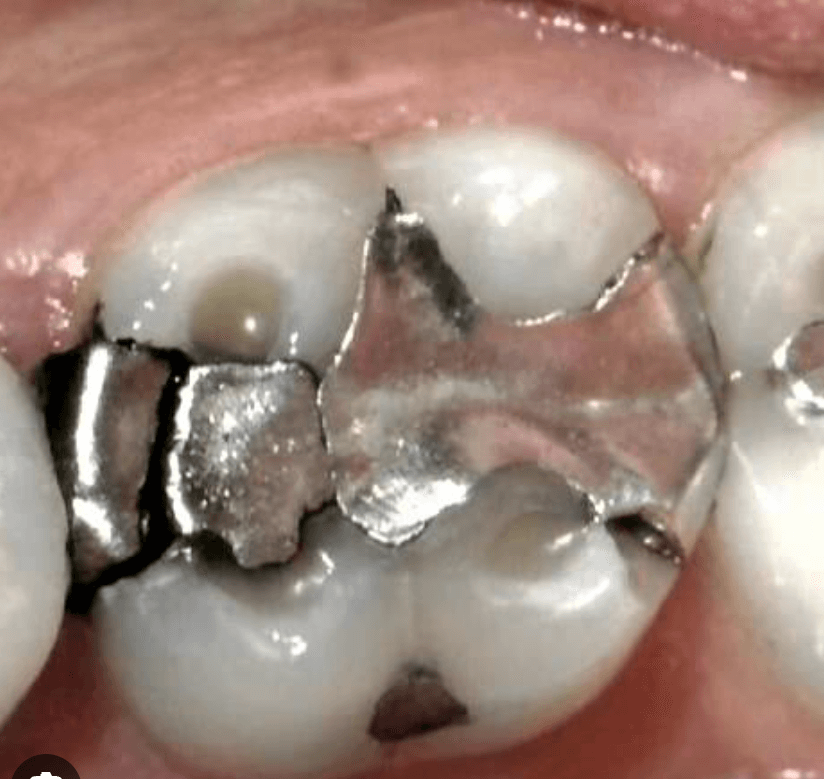
Michael, an architect in his early forties who is always busy with his projects, came to my office complaining of severe pain in his lower molar tooth. During the examination, he informed me that he found his filling loose one month back, but chose to “wait until it becomes a problem.”
“It felt fine most of the time,” he explained, “so I just kept putting it off.”
The truth was that the hole created by the loose filling acted like a trap for any food debris. For about one month now, food debris has been getting trapped there, making it easy for the bacteria to thrive.
On my inspection of the tooth, I noted that the tooth was severely decayed below the area where the filling had been placed. Due to the bacteria and food particles, there was so much destruction that the decay spread to the pulp chamber.
“I’m going to be able to save your tooth,” I told him, “but unfortunately, we’re well beyond the point where a simple filling will suffice. You’re going to need a root canal procedure followed by a crown.”
I can never forget how Michael expressed disappointment upon learning that if he had reported to the clinic at the earliest moment, the problem could have been solved for him in no time and with very little expense and discomfort.
“It’s just a small filling,” he had thought. That small filling became a $1,500 procedure and two additional appointments he hadn’t planned for.
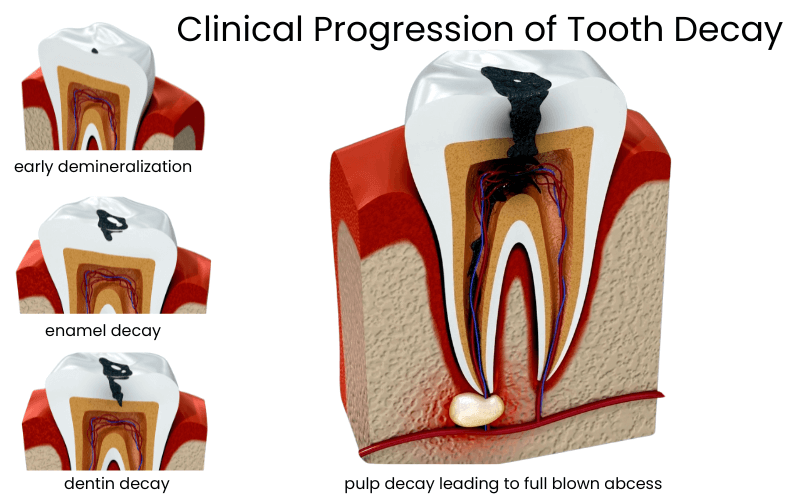
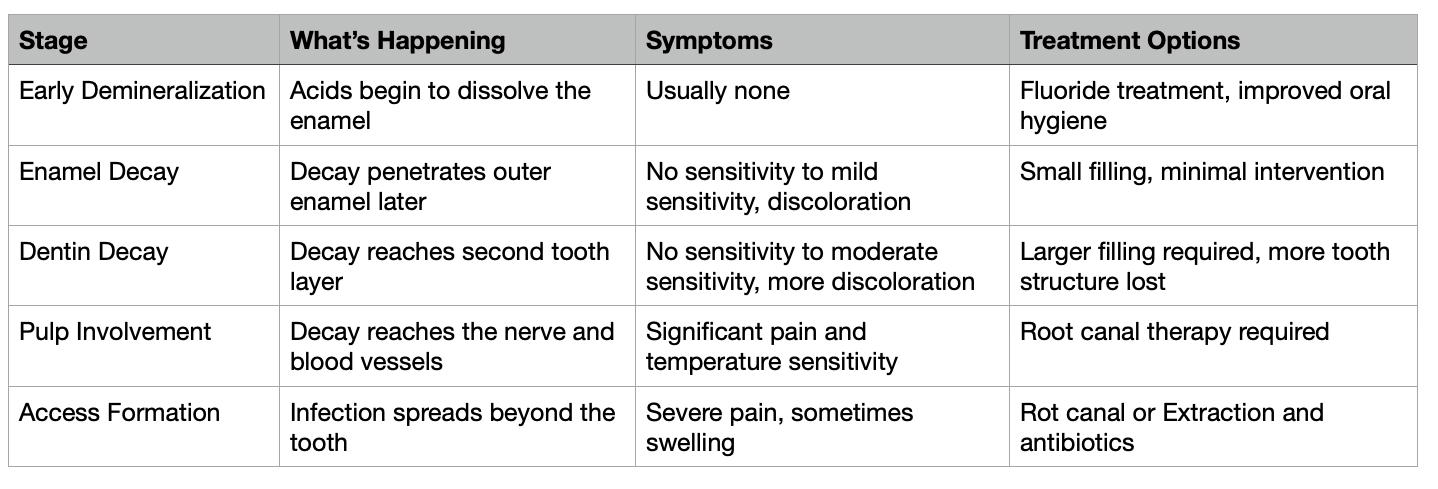
From my professional perspective, the development of a cavity follows a predictable pattern:
The Moore family taught me a valuable lesson about educating parents on children’s dental health. Their 5-year-old son came in with multiple cavities in his primary teeth. “We thought baby teeth weren’t important since they fall out anyway,” his mother told me. I explained how primary teeth maintain space for permanent teeth and how untreated decay can affect the developing permanent teeth beneath them.
The following are key advantages of early intervention in my practice:
The new dental studies suggest that the cost of treating cavities at an early stage is 90% cheaper than cavities that need endodontic (root canal) therapy.
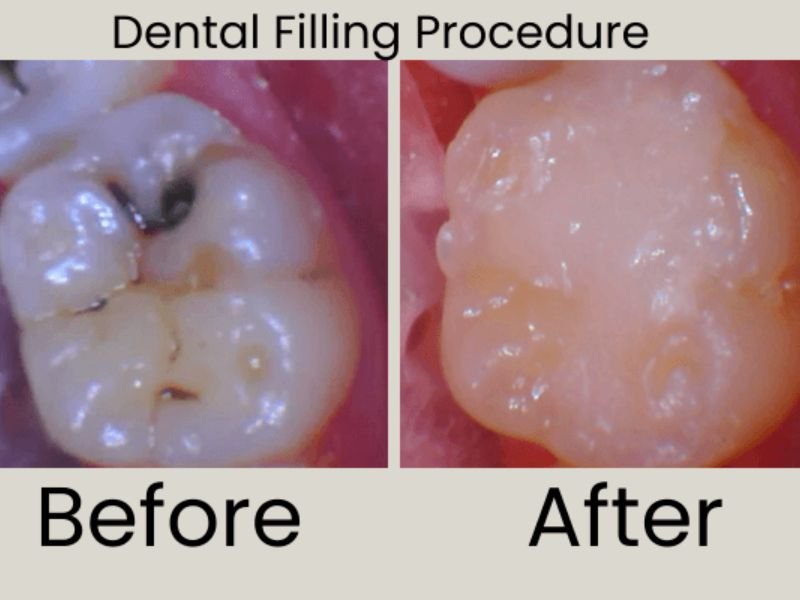
The modern dental practice I use relies on new technologies that help detect cavities faster than traditional approaches can:
With these technologies, I am able to diagnose decay at an early stage.
Based on my clinical experience, I propose the following preventive protocol:
In my professional experience as a dentist, I have found that the effects of dental health go beyond the physical aspects of being healthy. Jennifer, a college student suffering from dental anxiety who was hesitant about undergoing treatment, informed me on another occasion of the positive changes in her social life following the correction of her cavities. “I did not realize that I had been holding myself back from smiling.”
Early signs are sensitivity to sweets, hot, or cold foods, discoloration, and pain when chewing. But many cavities show no signs during their early stages, and therefore, it is important to visit the dentist for routine checkups.
Having a loose filling means that there will be room for bacteria and food to get trapped, which will lead to tooth decay. Make sure to see your dentist right away to replace it, so that you do not have to undergo any more complicated and costly treatments in the future.
Enamel demineralization at an extremely early stage may sometimes be reversible through good oral hygiene practices and fluoride treatments; however, a true cavity requires professional treatment.
The rate varies based on oral hygiene, diet, and individual factors, but decay can progress from minor to severe within 3-6 months in some cases.
Yes, children’s teeth have thinner enamel and often deeper grooves, making them more vulnerable to decay. Additionally, children may not be as thorough with oral hygiene.
I encourage you to reflect on your own dental care habits. Have you been postponing that check-up? Noticed a loose filling but hoped it would be fine for a while longer? Share your experiences in the comments below.
Remember that as dental professionals, we’re not here to judge, but to help. Every dentist would rather see you for a small, easily-treatable issue than watch you suffer through more invasive procedures that could have been avoided.
Have you ever ignored dental symptoms that later required major treatment? What would you do differently now? Share your story below!
Share this article with friends and family who might benefit from this information – it might just save them from unnecessary pain and expense.
Disclaimer: This article is intended for educational purposes only and should not replace professional dental consultation. If you’re experiencing dental symptoms, please consult with your dentist promptly.
When Should You See a Dentist for Pericoronitis? Warning Signs to Know

4 Common Denture Problems and How to Fix Them

Why Is My Tooth Turning Dark All of a Sudden?

What’s Hiding Under Your Old Fillings?
What Is Periodontal Disease? Signs, Causes & Treatment

| M | T | W | T | F | S | S |
|---|---|---|---|---|---|---|
| 1 | 2 | 3 | 4 | |||
| 5 | 6 | 7 | 8 | 9 | 10 | 11 |
| 12 | 13 | 14 | 15 | 16 | 17 | 18 |
| 19 | 20 | 21 | 22 | 23 | 24 | 25 |
| 26 | 27 | 28 | 29 | 30 | 31 | |