Dental Implants: What to expect and How it restores Your Oral Function

Dental Implants: What to expect and How it restores Your Oral Function

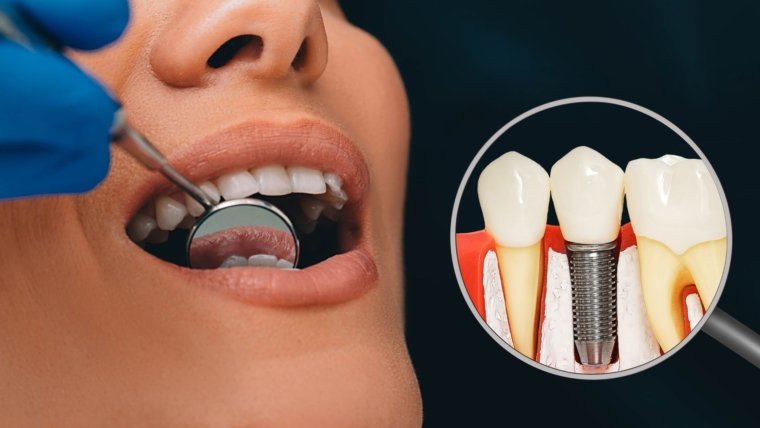
June 27, 2023 Dental Implants: What to Expect and How it Restores Your Oral Function How Dental Implants Restore Oral Function Living with missing teeth can be demoralizing, not only because of the impact it has on your appearance but also on your ability to chew food and speak properly. While there are several options, like dentures and bridges, patients…

Read more

WHAT TO EXPECT WHEN HAVING A DEEP CLEANING AT THE DENTIST

WHAT TO EXPECT WHEN HAVING A DEEP CLEANING AT THE DENTIST

April 30, 2023 What To Expect When Having a Deep Cleaning at The Dentist Going to the dentist can be a daunting experience for many people, especially when it comes to deep cleaning. But there’s no need to worry. In this article, we will delve into what you can expect when undergoing a deep dental cleaning at the dentist.https://www.youtube.com/embed/b-WuyBVUifA What…

Read more

Wear A Night Guard To Save Your Teeth From The Damage Of Teeth Grinding

Wear A Night Guard To Save Your Teeth From The Damage Of Teeth Grinding

April 27, 2023 Wear a Night Guard to Save Your Teeth from the Damage of Teeth Grinding Do you ever wake up with a sore jaw or headache? Do you find yourself clenching or grinding your teeth during the day or while you sleep? If so, you may have a condition called bruxism. Bruxism can cause damage to your teeth…

Read more

Ways To Improve Gum Health Quickly

Ways To Improve Gum Health Quickly

April 25, 2023 Ways To Improve Gum Health Quickly How To Improve Gum Health Having healthy gums is just as important as having healthy teeth. In fact, gum disease is one of the leading causes of tooth loss in adults. But don’t worry, improving your gum health doesn’t have to be difficult or time-consuming.https://www.youtube.com/embed/4HMKDTjNJb0 Here Are The Top 7 Ways…

Read more

Signs of Acid reflux on Teeth

Signs of Acid reflux on Teeth

April 17, 2023 Signs of Acid reflux on Teeth Acid reflux, also known as gastroesophageal reflux disease (GERD) is a common condition that affects millions of people every year. It occurs when stomach acid flows back into the esophagus, causing irritation and discomfort. However, did you know that acid reflux can also have negative effects on your teeth? COMMON SIGNS…

Read more

Top 6 Foods to Give a Child After a Tooth Extraction

Top 6 Foods to Give a Child After a Tooth Extraction

April 11, 2023 Top 6 Foods to Give a Child After a Tooth Extraction What You Should Know After Your Child Has A Tooth Extracted A tooth extraction isn’t exactly something kids look forward to. Even if it’s a baby tooth, the idea of sitting in the dentist’s chair and then feeling sore afterward can be overwhelming. As a parent,…

Read more

What Does Tooth Decay Look Like

What Does Tooth Decay Look Like

March 25, 2023 Tooth Decay 101: What It Looks Like and How to Spot It Tooth decay is a dental condition where the hard enamel surface of the teeth is softened by acids produced by bacteria in the mouth. This softening can lead to cavities, pain, sensitivity, and even tooth loss if left untreated. Catching tooth decay at early stage…

Read more

1 In 4 People Have Untreated Tooth Cavities

1 In 4 People Have Untreated Tooth Cavities

March 18, 2023 1 in 4 People have Untreated Tooth Cavities According the the CDC 1 in 4 Americans has untreated tooth decay. Tooth decay is caused by plaque that naturally builds up on the teeth and must be removed regularly by brushing and flossing thoroughly. Plaque collects in hard to reach areas like the deep grooves of the teeth,…

Read more

Why Impacted Wisdom Teeth Should Be Removed Before They Fully Form

Why Impacted Wisdom Teeth Should Be Removed Before They Fully Form

February 6, 2023

Why Remove Impacted Wisdom Teeth?

What Are Wisdom Teeth?​

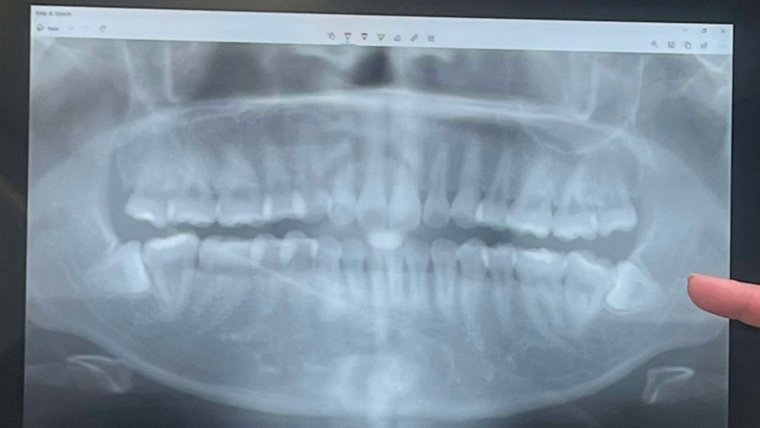
Wisdom teeth are the last teeth that develop in the jaw behind the molars. These teeth that usually erupt when people are in their early to mid-20s. During early adolescence x rays should be taken to see in what position the teeth are developing to evaluate the future the risk of problems as the teeth approach eruption.

Teeth teeth begin development in the jaw in childhood. The teeth develop from the crown down. Then the teeth are angled and become impacted, they can grow roots that approximate the nerve that runs down the lower jawline. If left to develop fully, it can become more and more complicated to remove them without disturbing this nerve.

When Do You Know If They Need To Be Removed?

If the teeth are in a position that they could erupt, then the teeth can be monitored as they develop and be otherwise left alone to erupt naturally. However, if the teeth are angled so that they will not be able to erupt due to becoming lodged against the other teeth, then the teeth should be evaluated for removal as soon as possible. This monitoring usually starts in early adolescence, around the age of 12. If the teeth are left to complete development when they cannot erupt, their development can cause problems. These problems include, crowding the already erupted teeth, pain due to pressure in the jaw, encroachment on the nerve, and partial eruption which can lead to tooth decay on the adjacent tooth, or infection around the partially erupted tooth.

If a wisdom tooth is left to develop when it will not erupt, there is a chance that the tooth can later become infected making it necessary to remove at some point. As the tooth develop in the lower jaw, the growing structure becomes more difficult and traumatic to remove from the lower jawbone. As the root elongates toward the lower nerve, the risk of damaging the lower nerve in removal becomes greater. Also the amount of trauma that will be caused during the removal becomes greater, making the removal more risky.

It is therefore important that impacted wisdom teeth are removed as soon as they are noticed. Waiting until they become fully formed can lead to more serious complications, including nerve damage. By removing impacted wisdom teeth right away, patients can minimize their chances of experiencing any pain or dental issues down the road.

What To Expect If Your Wisdom Teeth Need To Be Removed

The removal of wisdom teeth is a common procedure that is very safe. Generally, the young adult will be sedated so that they are unaware of the details of the procedure. Although the level of sedation normally used for this procedure will not allow the patient to remember the procedure, the patient will maintain the ability to follow commands, cough and breathe on their own. During the procedure the patient is numbed with a local anesthetic so they will not feel any pain.

The removal of wisdom teeth is a common procedure that is very safe. Generally, the young adult will be sedated so that they are unaware of the details of the procedure. Although the level of sedation normally used for this procedure will not allow the patient to remember the procedure, the patient will maintain the ability to follow commands, cough and breathe on their own. During the procedure the patient is numbed with a local anesthetic so they will not feel any pain.

After the teeth are removed, the patient will be numb for several hours. It is important to ice the jaws for the first several days after the removal in order to reduce the swelling. Pain medication is usually prescribed along with an antibiotic to prevent any infection. The normal amount of time to feel discomfort and swelling after the removal of the wisdom teeth ranges depending on the size of the teeth, their location and the difficulty of removal. The average amount of time to plan to recover is between 3 and 5 days. Most patients return for their 1 week post surgical appointment reporting no more pain.

Benefits Of Wisdom Teeth Removal

The main benefit of having the wisdom teeth removed early when there is a risk of future problems is the avoidance of the problem as well as the avoidance of complications that waiting until the teeth are fully formed comes with. The later the teeth are removed, the more difficult it is for the body to heal. Younger patients tend to heal faster than older patients. Patients without an active infection also heal faster. Also, if the teeth form fully and pose a risk of nerve damage, if the tooth has to be removed due to infection in the future and the nerve does become damaged, nerves do not heal fast. For this reason, it is a huge benefit to be proactive in order to prevent problems.